


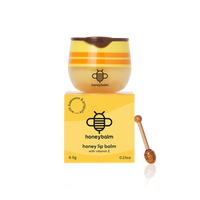
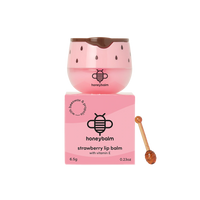
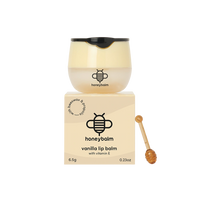
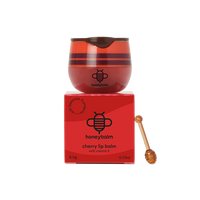
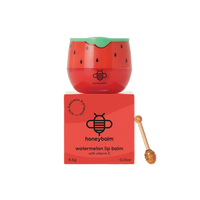
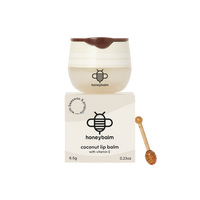
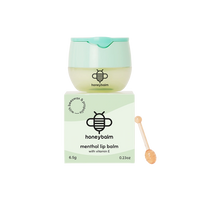
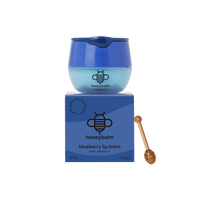
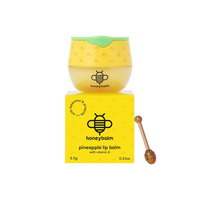
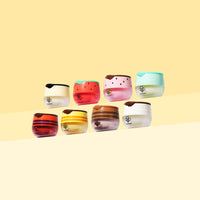
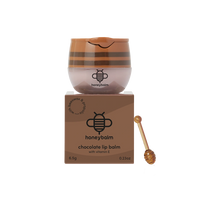
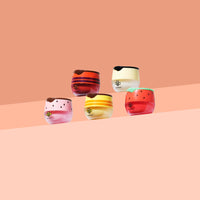
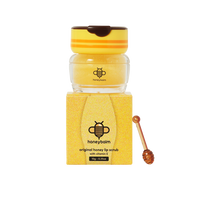
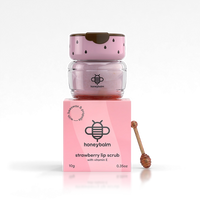
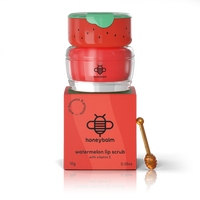


Lip balm looks simple until the label starts competing with the formula. Terms like natural or clean sound reassuring, but the real secret to a great balm lies in how the ingredients work together to support dry or reactive lips. The real difference shows up once the full ingredient list is in view. Understanding how to read that list helps you choose a balm that doesn't just feel good for a moment, but actually cares for your lips long-term.
Understanding Quality Lip Balm Ingredients
A high-quality lip balm is defined by its transparency and the balance between its base and its active ingredients. The goal is a formula that supports the skin barrier while providing a pleasant experience.
Front-of-pack wording gives you a hint, but the INCI list tells the full story. By separating the barrier-supporting base from the ingredients added for scent, flavor, or sensation, you can better understand what works for your unique needs.
Ingredients to Seek and How to Balance the Extras

Sale ends in:
Hours
00Minutes
00Seconds
00Beeswax vs. Petrolatum: Why the Base Matters
The debate between paraffin-based (petroleum) and paraffin-free balms often comes down to performance and preference.
- Petrolatum forms a heavy seal but can sometimes feel greasy or "sit on top" of the skin.
- Beeswax (Cera Alba) creates a firmer, breathable barrier with a less slick finish. It stays in place longer, making it ideal for daytime wear and providing a natural structure that carries other nutrients into the skin.
For those who prefer plant- and bee-based systems, a beeswax-rich formula offers the perfect balance of protection and a natural feel.
How to Read the Label Like a Pro
The first several ingredients define the balm's soul. When you check the INCI list, you want to see those core waxes and oils right at the top.
- Check the Foundation: Are the first 3-5 ingredients natural waxes or oils? That’s your sign of a quality base.
- Evaluate the Experience: Flavored or scented balms add a touch of joy to your routine. When these follow a strong, natural base, they provide a delightful experience without sacrificing care.
- Listen to Your Lips: A great formula should feel soothing on contact and keep lips feeling soft long after the initial shine has settled.

Sale ends in:
Hours
00Minutes
00Seconds
00Compare With Confidence
The best lip balm is one that combines a transparent ingredient list with a base that fits your lifestyle. By focusing on high-quality beeswax and nutrient-rich naturals, you can enjoy the scents and flavors you love while giving your lips the protection they deserve.
Ready for a better approach to lip care? Explore our nutrient-rich, beeswax-based formulas at Honeybalm.
Frequently asked questions lip balm ingredients
Find the most frequently asked questions about lip balm ingredients.
he base, typically the first 3 to 5 ingredients on the label, defines how well the balm hydrates and protects. A foundation of natural waxes (like beeswax) and plant oils creates a breathable barrier that locks in moisture, whereas cheaper fillers often just "sit" on the surface without actually nourishing the skin.
- Petrolatum (Petroleum Jelly): Creates a heavy, non-breathable seal that can feel greasy and may slide off the lips easily.
- Beeswax (Cera Alba): Forms a firm, breathable barrier with a more natural finish. It stays in place longer and provides a structure that helps carry other nutrients into the skin.
Not necessarily! In high-quality balms, food-grade flavors or natural botanical extracts like Honeybalm are used to make the experience more enjoyable. The secret is ensuring these are layered onto a rich, nourishing base so they provide a pleasant "zing" without compromising the protective barrier.
To support skin recovery and long-term health, look for:
- Bee-Derived Powerhouses: Honey, Propolis, and Royal Jelly.
- Skin Supporters: Squalane and Vitamin E.
- Deep Hydrators: Lanolin and natural plant butters.
Check the hierarchy of the ingredients:
- The Foundation: Ensure the first 3–5 ingredients are natural waxes or oils rather than synthetic fillers.
- The Actives: Look for recovery-focused ingredients like Vitamin E or bee products in the middle of the list.
- The Experience: Flavors and botanical extracts should follow a strong base to ensure they don't lead to a "cycle of reapplication."
A superior formula should keep your lips feeling soft and protected long after the initial shine has settled. If you feel the need to reapply every few minutes just to stay comfortable, your current balm likely lacks the necessary barrier-supporting ingredients.