







Lips can feel better for a few hours, then turn tight, flaky, or cracked again by the end of the day. That cycle is frustrating because the trigger often hides in ordinary habits, weather, sun, or even the balm meant to help.
Recurring dryness is rarely about one bad day. More often, it comes from a pattern that keeps resetting the lips before they can settle. The first step is to separate the common triggers from the signs that need a closer look.
Why your lips keep getting chapped
Lips dry out faster than most skin because the lip barrier is thinner and has less natural oil protection. That is why repeated chapping usually traces back to a small set of triggers instead of one dramatic cause. Cold air, wind, dry indoor heat, and sun exposure sit high on that list.
Saliva, mouth breathing, and products that feel tingly or contain harsh, synthetic scents can keep the cycle going. In many routines, the real issue is not a lack of balm but constant swapping while the trigger stays in place. Dryness after time outdoors points toward sun or weather, while peeling after licking, talking, or sleeping often points toward saliva and overnight drying.
Less typical patterns deserve more attention. Cracking at the corners of the mouth can reflect irritation in that area rather than ordinary lip dryness, and a rough patch that stays one-sided or keeps crusting should not be written off as weather alone. Once the pattern is clearer, the next step is to calm the lips without adding more irritation.

Sale ends in:
Hours
00Minutes
00Seconds
00What do do right away
- Fast relief starts by stopping the irritation cycle and sealing lips with a plain protective balm several times a day. The first goal is to cut water loss, not to pile on treatments. When lips are cracked, simple care usually works better than a busy routine.
- Stop licking, picking, biting, and scrubbing today. Skip minty formulas or heavy synthetic fragrances if they sting on contact, and use a straightforward balm whenever lips start to tighten. Before bed, apply a thicker layer so overnight dryness does less damage.
- If time outdoors is part of the problem, use a dedicated lip SPF and reapply every 2 hours. Over the next few days, keep the routine steady rather than trying multiple new products at once. In practice, recovery tends to come from repeating one non-irritating step, which also makes the next balm choice clearer.
How to Choose a Lip Balm That Helps
A helpful lip balm does two jobs: it limits moisture loss and avoids ingredients that sting damaged skin. If a formula feels cooling, spicy, or heavily perfumed with harsh chemicals on cracked lips, it is usually working against comfort. The label matters, but so does how the balm feels the moment it touches sore skin.
Need
Daily dryness
Sensitive lips
Outdoor time
Look for
beeswax, vitamin E
mild natural aromas, simple base
SPF lip balm
Skip when cracked
mint, strong synthetic fragrance
exfoliating acids
no sun protection
Texture can matter as much as the ingredient list. Bee-derived ingredients such as beeswax and propolis are often chosen for a richer, cushioning feel, while vitamin E is commonly included for softness and everyday comfort. While intense synthetic perfumes can trigger sensitive skin, choosing formulas with gentle, skin-friendly natural aromas can provide a comforting experience without causing irritation.
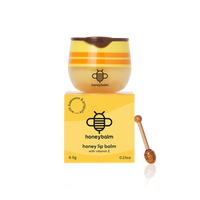
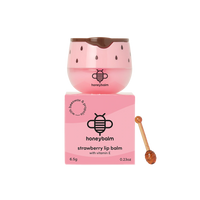
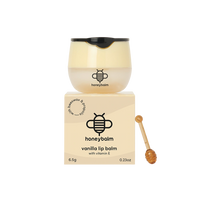
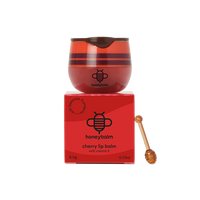
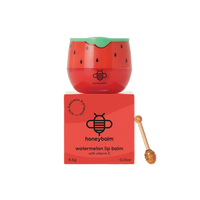
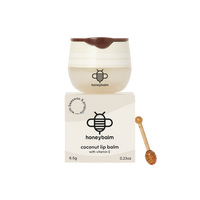
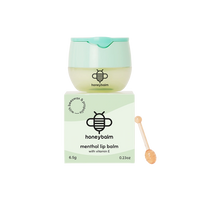
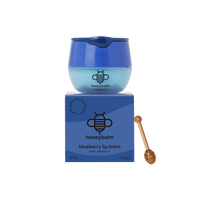
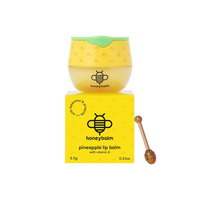
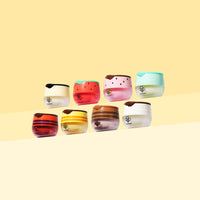
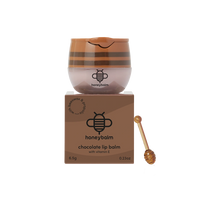
The best match depends on what keeps setting the dryness off. An everyday balm suits indoor tightness or dry weather, an SPF balm fits repeated outdoor exposure, and a gentler, clean option makes sense when harsh formulas start to sting. Honeybalm presents ingredient information clearly and positions its formulas without PFAS or paraffin; many products also contain honey-derived ingredients such as propolis, so they are not suitable for anyone with a honey allergy.

Sale ends in:
Hours
00Minutes
00Seconds
00How to prevent the next flare-up
Prevention depends on daily sun protection, regular reapplication, and fewer habits that strip the lip barrier. Once lips settle, the goal shifts from rescue to consistency. That change often decides whether the next flare-up starts right away.
Sun protection belongs in lip care year-round. Lips can burn and dry out quickly, and repeated exposure is a common reason they never feel fully comfortable for long. Use a protective balm with SPF 25 or higher during the day when outdoors, and reapply every 2 hours.
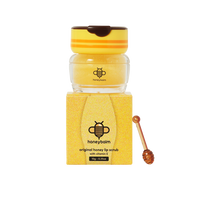
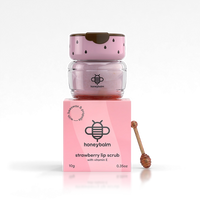
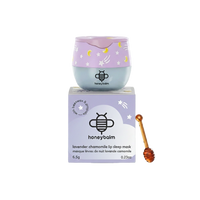
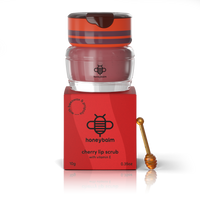
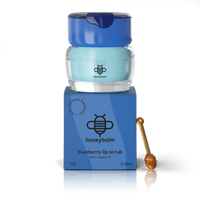
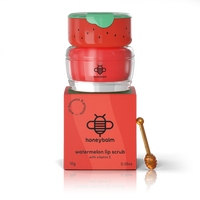
Nighttime habits matter just as much. Mouth breathing, dry room air, and dehydration can leave lips rough by morning, while a return to minty or harsh chemical formulas can restart irritation. Once your lips are fully recovered and no longer split or raw, incorporating a gentle lip scrub no more than once a week can help sweep away lingering dry flakes. Following up immediately with a rich bedside balm and using a humidifier will make the routine easy to keep.
-

Before
-

After


Sale ends in:
Hours
00Minutes
00Seconds
00When it may be more than simple chapping
Chapped lips usually feel dry and rough, while cold sores tend to begin with tingling and grouped blisters. That difference matters because not every sore or crack should be treated like ordinary dryness. A simple balm can support comfort, but it cannot explain every pattern.
Ordinary chapping often affects the whole lip or the areas that catch wind, sun, or saliva. Cold sores are more likely to bring tenderness, blistering, and then crusting in a defined spot, while repeated cracks at the corners of the mouth point to a different problem area. Dryness that stays one-sided, thickens, bleeds, or lasts longer than 2-3 weeks deserves professional evaluation.
The same applies when a rough patch lingers after heavy sun exposure or when the usual balm routine stops helping. That does not automatically mean something serious is going on, but it does mean another round of guessing is not the best next move. With those warning signs in mind, the last step is choosing lip care that fits the pattern in front of you.
Choose the next step that fits your lips
Lasting comfort depends on matching lip care to the pattern behind the dryness. Everyday tightness calls for a simple protective balm, outdoor exposure points toward reliable SPF lip care, and stinging from harsh formulas is a sign to switch to cleaner, gentler options. Fast comfort matters, but it lasts longer when the routine stays simple enough to repeat.
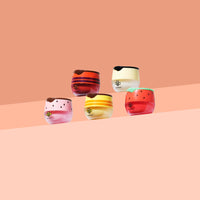
That prevention-first approach turns temporary relief into steadier day-to-day comfort. Honeybalm builds its range around those everyday needs, with nourishing scrubs for gentle maintenance, standard options for daily lip care, SPF 25 support for time in the sun, and clean, feel-good formulas when lips feel reactive. When the next step is clearer, it becomes easier to shop lip care with a reason that matches what the lips actually need.