


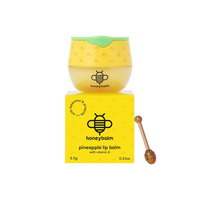
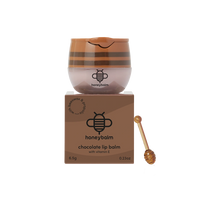

If you've ever wondered, “Is beeswax good for skin?”, the short answer is yes! For many people, beeswax can be a useful skincare ingredient.
Beeswax is a natural wax produced by honey bees. In skincare, it is valued mainly for its ability to form a protective layer over the skin. This helps reduce moisture loss and can leave dry, rough skin feeling softer and more protected.
But beeswax isn't necessarily right for everyone. Your skin type, the rest of the formula, and whether you have sensitivities to bee-derived ingredients all matter.
So, what does beeswax actually do for your skin? Which skin types benefit most? And what do dermatologists say about using it?
Let's take a closer look.

Sale ends in:
Hours
00Minutes
00Seconds
00What Is Beeswax?
Beeswax is a natural substance produced by honey bees to build and maintain the structure of their honeycomb. Once purified, it can be used in cosmetics, skincare products, ointments, creams, and lip balms.
In skincare formulations, beeswax is particularly useful because it is hydrophobic, meaning it doesn't readily mix with water. When applied to the skin, it can help create a protective, water-resistant layer.
This makes beeswax especially useful in products designed to protect dry or exposed areas of skin, including the lips.
Is Beeswax Good for Skin?
Yes, beeswax can be beneficial for skin, particularly when you want to reduce moisture loss and protect the skin's surface.
Beeswax is generally considered an occlusive skincare ingredient. Occlusives work by forming a layer over the skin that helps slow down transepidermal water loss, the process through which water naturally evaporates from the skin.
Dermatology literature identifies beeswax among commonly used occlusive ingredients, alongside ingredients such as petrolatum, mineral oil and lanolin.
This is one reason beeswax is so common in richer moisturizers, balms and lip care products.
However, beeswax does not “hydrate” the skin in exactly the same way as ingredients such as glycerin or hyaluronic acid. Instead, its main role is helping keep existing moisture from escaping.
That distinction is important when choosing skincare.
Benefits of Beeswax for Skin
One of the biggest benefits of beeswax is its occlusive effect.
By forming a protective layer on the skin, beeswax can help slow the evaporation of water from the skin's surface. This can be particularly helpful when skin is dry, exposed to cold weather or frequently exposed to wind.
This is also why occlusive ingredients are commonly used in moisturizers for dry skin. Dermatologists recommend moisturizing regularly to help maintain the skin barrier and reduce dryness.
Your skin barrier has an important job: it helps keep moisture in while protecting the skin from external environmental stressors.
A beeswax-containing balm can provide an additional layer of protection over the skin's surface. This doesn't mean beeswax “repairs” the skin barrier by itself, but it can help support a skincare routine focused on minimizing moisture loss.
For very dry areas, a thicker occlusive product may therefore feel more comfortable than a lightweight lotion.
Beeswax can also contribute to the texture and feel of a skincare product.
When combined with oils, butters or other emollient ingredients, beeswax can help create a rich balm that smooths over dry skin and leaves a protective finish.
The result can be skin that feels softer and less rough.
The lips are particularly vulnerable to dryness because they have a thinner protective outer layer than much of the skin on the body.
This is one reason beeswax is such a popular ingredient in lip balms.
A beeswax-based lip balm can help create a protective coating over the lips, reducing moisture loss and shielding them from dry air, wind and other environmental exposure.
For people who regularly experience dry or chapped lips, an occlusive balm can be a useful part of a simple lip-care routine.
Cold temperatures, wind and low humidity can all contribute to dry-feeling skin.
A product containing an occlusive ingredient such as beeswax can help provide an extra protective layer during these conditions.
This is especially useful for areas that are regularly exposed, such as the lips, hands and other dry patches.
Is Beeswax Good for Dry Skin?
Beeswax can be particularly useful for dry skin.
If your skin tends to feel tight, flaky or rough, an occlusive ingredient can help reduce water loss from the skin.
Dermatologists commonly recommend moisturizers for dry skin, and occlusive ingredients are one of the main categories used in moisturizing formulations.
For very dry skin, beeswax may work best as part of a formula that also contains emollient oils or other moisturizing ingredients.
Think of it this way:
- Humectants help attract and retain water.
- Emollients help soften and smooth the skin.
- Occlusives help reduce water loss.
Beeswax is most useful in that third category.
Is Beeswax Good for Sensitive Skin?
This answer is a little more nuanced.
Beeswax itself is generally well tolerated, but any skincare ingredient can cause a reaction in an individual who is sensitive or allergic to it.
There is also a particular consideration for people who are allergic to propolis. A 2026 review found that reactions to beeswax appear to be uncommon, but residual propolis in beeswax may occasionally be relevant for people who are already sensitized to propolis. The review particularly noted occasional allergic contact cheilitis associated with lip balms.
If you have very sensitive skin or a history of allergic reactions to cosmetic products, it's sensible to introduce new products carefully.
The American Academy of Dermatology recommends testing new skincare products on a small area of skin before using them more widely.
And if a product causes persistent redness, itching, swelling or a rash, stop using it and speak with a dermatologist.

Sale ends in:
Hours
00Minutes
00Seconds
00Is Beeswax Good for Acne-Prone or Oily Skin?
It depends on the product and how your skin responds.
Because beeswax is an occlusive ingredient, a rich beeswax balm may feel too heavy if you have naturally oily skin or prefer lightweight skincare.
That doesn't automatically mean beeswax is “bad” for acne-prone skin. What matters is the complete formulation, how much product you use and where you apply it.
For example, a small amount of beeswax-based lip balm on your lips is very different from applying a thick balm all over an oily face.
If your skin is prone to breakouts, look for products formulated specifically for your skin's needs and avoid assuming that one ingredient alone determines whether a product will cause congestion.
What Do Dermatologists Say About Beeswax?
Dermatologists generally focus less on whether an ingredient is “natural” and more on what the ingredient does and how your skin responds to it.
From a formulation perspective, beeswax is a recognized occlusive ingredient. Its main benefit is helping reduce water loss from the skin by creating a protective surface layer.
Dermatologists also emphasize that moisturizing is important for maintaining comfortable, hydrated skin, particularly when skin is dry or the protective barrier is compromised.
At the same time, “natural” does not automatically mean “hypoallergenic.” The American Academy of Dermatology notes that even natural or clean skincare products can cause contact dermatitis in some people.
So the dermatologist-friendly takeaway is simple:
Beeswax can be a useful protective ingredient, but the right product depends on your skin and the rest of the formula.
Is Beeswax Good for Chapped Lips?
Yes, beeswax can be especially useful in a lip balm for dry or chapped lips.
Because beeswax creates an occlusive layer, it can help protect the lips from moisture loss and environmental exposure.
However, if your lips are repeatedly dry, cracked, itchy or inflamed, don't automatically assume that you simply need more lip balm.
Lip products themselves can sometimes trigger contact dermatitis. The American Academy of Dermatology specifically lists lip balm and lip gloss among products that can cause contact reactions around the lips.
If your lips become irritated after using a particular product, stop using it and consider discussing the reaction with a dermatologist.

Sale ends in:
Hours
00Minutes
00Seconds
00How to Use a Beeswax-Based Balm
For dry areas, a little can go a long way.
Apply a thin, even layer to clean skin and reapply when needed. For lips, you can use a beeswax-based balm whenever your lips feel dry or before exposure to cold or windy weather.
For the best results on dry skin, occlusive products are often most useful when applied after moisturizing, because the occlusive layer can help reduce subsequent moisture loss.
If you're trying a new product for the first time, patch testing is a sensible precaution, especially if you have sensitive skin or a history of contact dermatitis.
Beeswax vs. Other Skincare Ingredients
Beeswax isn't designed to do everything.
Different moisturizing ingredients have different jobs:
| Ingredient type | Main role |
|---|---|
| Beeswax | Forms a protective, occlusive layer |
| Petrolatum | Strong occlusive that helps reduce water loss |
| Glycerin | Humectant that attracts and retains water |
| Hyaluronic acid | Humectant that helps increase skin hydration |
| Ceramides | Support the skin barrier and replace important skin lipids |
| Plant oils | Primarily provide emollient and conditioning benefits |
This is why a well-formulated balm often combines several types of ingredients rather than relying on beeswax alone.
Who Can Benefit Most From Beeswax?
Beeswax may be particularly useful if you have:
- Dry or rough-feeling skin
- Dry or chapped lips
- Skin exposed to cold or windy weather
- Areas that need an extra protective layer
- A preference for richer balm-style skincare
It may be less appealing if you strongly prefer lightweight, fast-absorbing skincare or have oily skin and don't like an occlusive finish.
And if you've previously reacted to beeswax, propolis or other ingredients in bee-derived products, check the full ingredient list carefully.
So, Is Beeswax Good for Skin?
For most people, beeswax can be a useful skincare ingredient. Especially when the goal is to protect the skin and reduce moisture loss.
Its biggest strength isn't that it magically moisturizes the skin. Instead, beeswax works primarily as an occlusive, creating a protective layer that helps keep moisture from escaping.
That makes it particularly well suited to balms and lip care products, where protecting the skin from dryness and environmental exposure is important.
The key is to look at the whole formulation and your own skin's needs. If your skin is dry, a beeswax-containing balm can be a simple way to add an extra protective layer to your routine.
The Bottom Line
Beeswax is a useful, versatile skincare ingredient with one particularly important benefit: helping protect the skin from moisture loss.
For dry skin and especially for lip balms, that protective quality can make beeswax a valuable part of a well-formulated product.
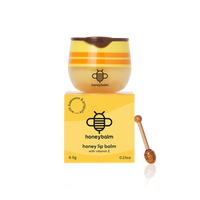
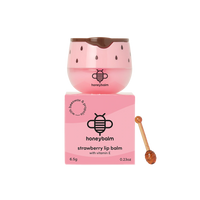
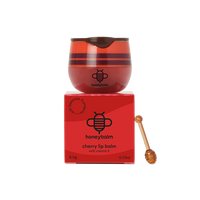
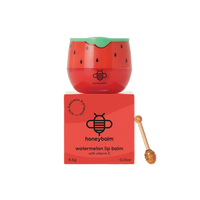
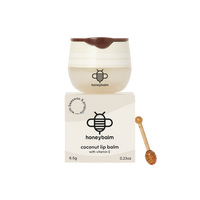
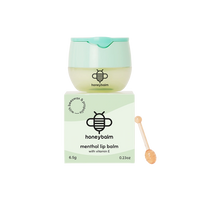
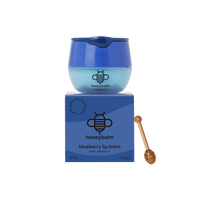
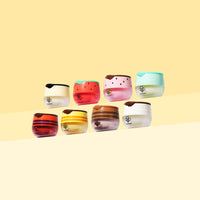
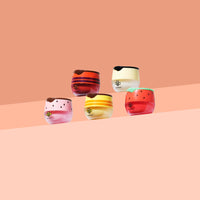
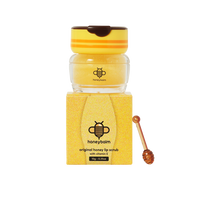
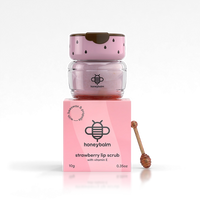
If you're looking for a simple way to protect dry lips, explore our beeswax-based lip balms and choose the formula that best fits your needs.
This article is for informational purposes only and is not a substitute for professional medical advice. If you have persistent skin irritation, eczema, swelling or an unexplained rash, consult a qualified healthcare professional or dermatologist.
Frequently Asked Questions
Find the most freqFind the most frequently asked questions about beeswax.
Beeswax primarily acts as an occlusive rather than a traditional humectant. It helps reduce moisture loss by forming a protective layer over the skin. It is often combined with oils, butters or humectants in moisturizing products.
Many people tolerate beeswax well, but sensitive or allergy-prone individuals can react to cosmetic ingredients. If you have sensitive skin, patch test a new product before using it more broadly.
Beeswax is an occlusive ingredient, but whether a particular product feels pore-clogging depends on the complete formulation, the amount used and your individual skin. A beeswax lip balm, for example, is formulated for a very different purpose than a facial moisturizer.
For most people, a beeswax-based lip balm can be used daily. If your lips become persistently irritated, itchy, swollen or develop a rash, stop using the product and consider speaking with a dermatologist.
Neither is universally “better.” Both can act as occlusive ingredients, but petrolatum is generally a stronger occlusive while beeswax also contributes structure and texture to balms. The best choice depends on the product formulation and what your skin needs.
It can help protect dry lips by forming an occlusive layer that reduces moisture loss. For persistent or recurring lip irritation, however, it's worth considering whether another ingredient in your lip product could be causing a reaction.